

Sunflower Energy
Battery Storage
Store your solar energy and power your home around the clock — even when the grid goes down.
Charge Cycles
6,000+
Product Warranty
10 Years
Round-trip Eff.
95 %
System Capacity
5 – 50 kWh
The Technology
Your Solar Energy, Available 24 Hours a Day
A solar panel only generates power when the sun is shining. Without storage, any generation your home does not use at that exact moment flows back to the grid — at a much lower feed-in rate than you pay to buy it back later. A battery changes this equation completely.
Sunflower battery systems use lithium iron phosphate (LFP) cells — the safest, most durable chemistry available for residential use. Charge during the day from solar, draw through the night, and let the grid act as a last resort rather than your primary supply. Most customers cover 80–100% of their consumption from solar + storage.
Our systems are modular: start with 5 kWh and expand to 50 kWh without replacing any existing hardware. A single app gives you full visibility — charge state, daily savings, cycle count, and fault alerts — from anywhere.
Talk to an Expert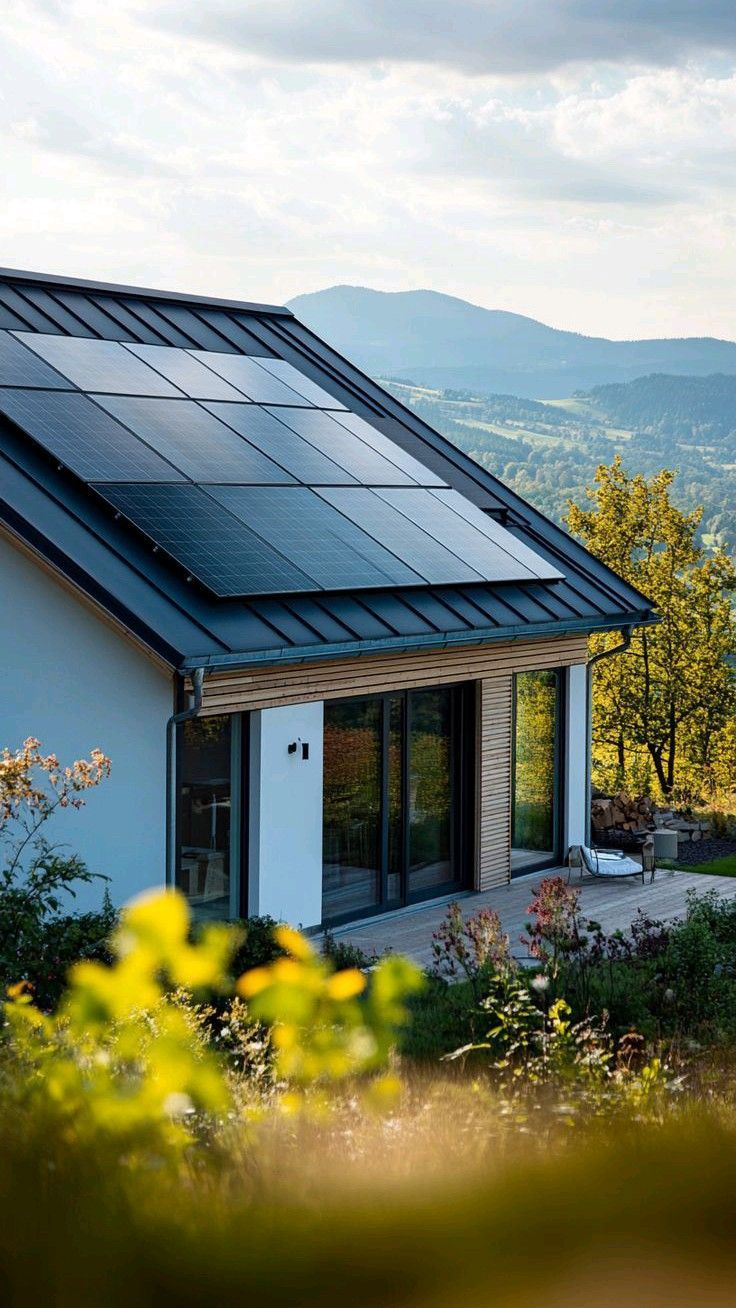
Why Battery Storage
Six Reasons to Add Storage to Your System
Backup Power
Keep your home running through outages. Store daytime solar energy and draw from it through the night or during grid failures — with zero manual switching.
Time-of-Use Savings
Charge from solar or the grid during off-peak hours and draw from your battery when electricity tariffs are highest — cutting your bill automatically.
Smart App Control
Monitor charge levels, usage patterns, and daily savings in real time from anywhere via the Sunflower app. Set schedules, view history, and get fault alerts instantly.
Scalable Capacity
Start with a 5 kWh unit and stack up to 50 kWh as your household grows. Our modular design means you never have to replace the system — just expand it.
LFP Chemistry
Lithium iron phosphate batteries are non-flammable, thermally stable, and deliver over 6,000 cycles without significant capacity loss — the safest chemistry for home use.
Certified & Approved
All systems carry IEC 62619 and UL 9540 safety certifications and are approved by the Sri Lanka Sustainable Energy Authority — ready for grid-tied and off-grid setups.
The Process
How Your Battery Works With Solar
Solar Generates
Your rooftop panels generate DC electricity throughout the day. The inverter converts this to AC power for your home appliances.
Battery Stores Surplus
Any generation your home does not immediately consume is directed into the battery bank, where it is stored at up to 95% round-trip efficiency.
Home Draws at Night
After sunset, your home automatically draws from the stored battery energy — no grid power required until the battery reaches its reserve threshold.
Grid as Backup Only
Once your battery hits its reserve, the system seamlessly switches to the grid. You only pay for what your battery could not cover — typically a fraction of your old bill.
Systems
Choose Your Capacity
Home 5
5 kWh
LFP cells
Best for: Small households (1–2 bedrooms)
- Single battery module
- Covers ~8 hrs essential loads
- Wall-mounted, indoor rated
- App monitoring included
Power 10
10 kWh
LFP cells
Best for: Average households (3–4 bedrooms)
- Dual module stack
- Covers full overnight draw
- Priority grid-off switching
- 10-year capacity guarantee
Pro 20
20 kWh
LFP cells
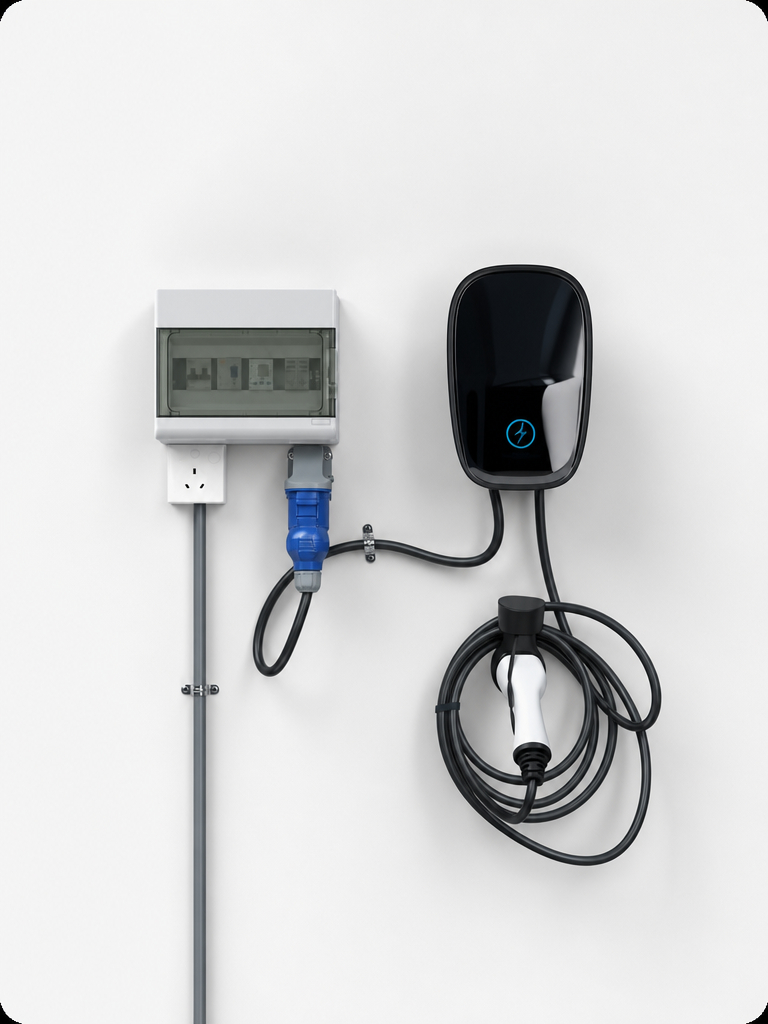
Best for: Large homes or EV charging
- Up to 4-module stack
- 48-hr backup at moderate load
- Three-phase compatible
- Expandable to 50 kWh
Best Together
Pair with Raigam Solar for Maximum Independence
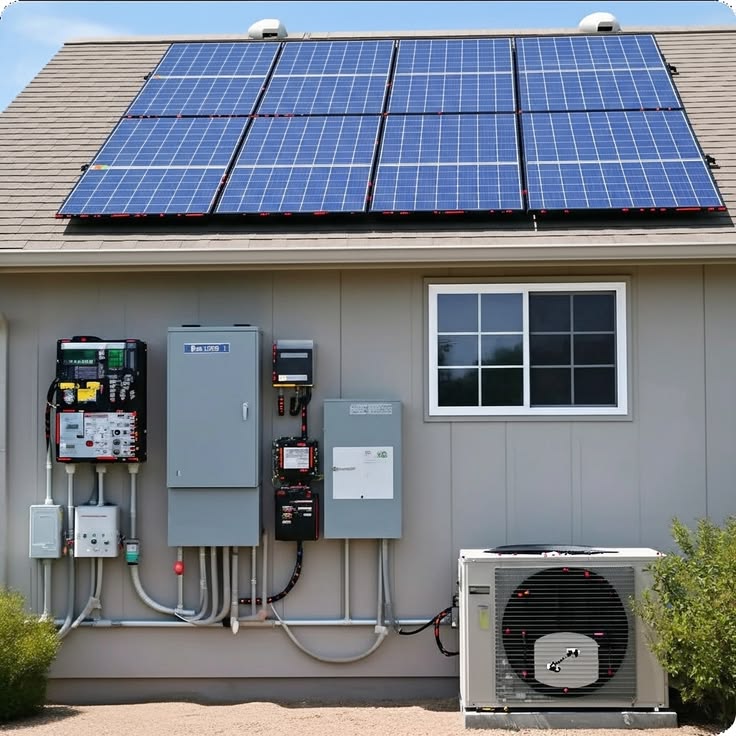
A battery alone reduces your grid dependency. A battery paired with a Sunflower solar system can eliminate it entirely — generating, storing, and consuming your own clean energy around the clock.
Common Questions
Battery Storage — Answered
No — you can charge a home battery from the grid during off-peak hours and discharge it during peak-rate periods. However, pairing a battery with solar panels maximises savings by storing free daytime generation rather than buying grid electricity to fill the battery.
It depends on your load profile. A 10 kWh battery typically covers an average Sri Lankan household's overnight consumption (approximately 6–8 hours at moderate load). Essential-only circuits — lights, fans, router, refrigerator — can run for 12–18 hours from a 10 kWh system.
Yes. LFP batteries do not go into thermal runaway under overcharge or physical damage conditions that cause other lithium chemistries to catch fire. The iron-phosphate bond is chemically stable at high temperatures, making LFP the industry standard for residential storage.
If the grid fails, the battery management system detects the outage and switches your home to island mode within milliseconds — fast enough that most appliances do not notice. Critical loads remain powered automatically with no manual intervention.
Our LFP batteries are rated for 6,000 charge cycles at 80% depth of discharge. Cycled once per day, that is over 16 years of useful life. We back this with a 10-year product warranty and a capacity guarantee of ≥ 70% at end of warranty.
Battery storage questions, answered
What happens to excess energy I generate?
Under the CEB net metering scheme, excess energy is fed back to the national grid and credited to your monthly bill, effectively turning your meter backwards.
Can I run my AC entirely on solar power?
Yes, if your solar system is sized correctly. Our engineers will calculate the optimal system size to power your AC during daylight hours and, with a battery, through the night as well.